Accommodating Volunteers with ADHD | Every Mind Contributes
Share on social media:
🌟 Why ADHD Inclusion Matters in Volunteerism
Volunteer programs succeed when every person feels seen, supported, and empowered to serve. Attention-Deficit/Hyperactivity Disorder (ADHD) affects millions of adults worldwide, yet volunteer settings rarely consider how to accommodate neurodivergent volunteers. Inclusive practices aren’t just ethical—they improve team performance, retention, and community impact. 💙
SAVMA’s vision of a connected network of Volunteer Engagement Professionals (VEPs) depends on acknowledging that volunteers bring diverse ways of thinking and processing. By recognizing ADHD as part of neurodiversity, VEPs can build programs that value creativity, curiosity, and energy while reducing barriers to participation.
🧠 Understanding ADHD in Volunteer Settings
According to the Job Accommodation Network (JAN), ADHD can affect focus, memory, time management, and organization. Still, it also comes with strengths such as innovation, resilience, and hyperfocus on tasks that feel meaningful. In volunteer programs, these traits translate into fresh ideas and deep commitment — when the environment is supportive.
Simple adjustments make a big difference: clear communication, predictable routines, and flexibility in roles. ADHD is not a lack of willpower; it’s a difference in how attention and motivation work. Volunteer programs that respect those differences create space for everyone to excel. 💪
⚖️ Challenges Neurodivergent Volunteers Face
Neurodivergent people often encounter unique barriers in both employment and volunteering:
-
High turnover and burnout from overwhelm or poor fit.
-
Difficulty with organization and executive function tasks without clear systems.
-
Social challenges or misunderstandings due to communication differences.
-
Trauma from previous educational or work environments where they felt shamed for their differences.
Volunteer engagement offers an opportunity for healing and growth — but only when programs acknowledge these realities. Organizations can take a trauma-informed approach by promoting predictability, choice, and positive reinforcement. 🕊️
💬 “True service welcomes every walk of life — especially those with lived experience. They often hold the greatest lessons. If inclusion comes with savior syndrome, it isn’t inclusion at all.”
— Jennifer Lohse
🌵 Inclusive Volunteer Program Design in Arizona
Arizona offers real-world examples of organizations putting inclusion into action.
Habitat for Humanity Tucson 🛠️
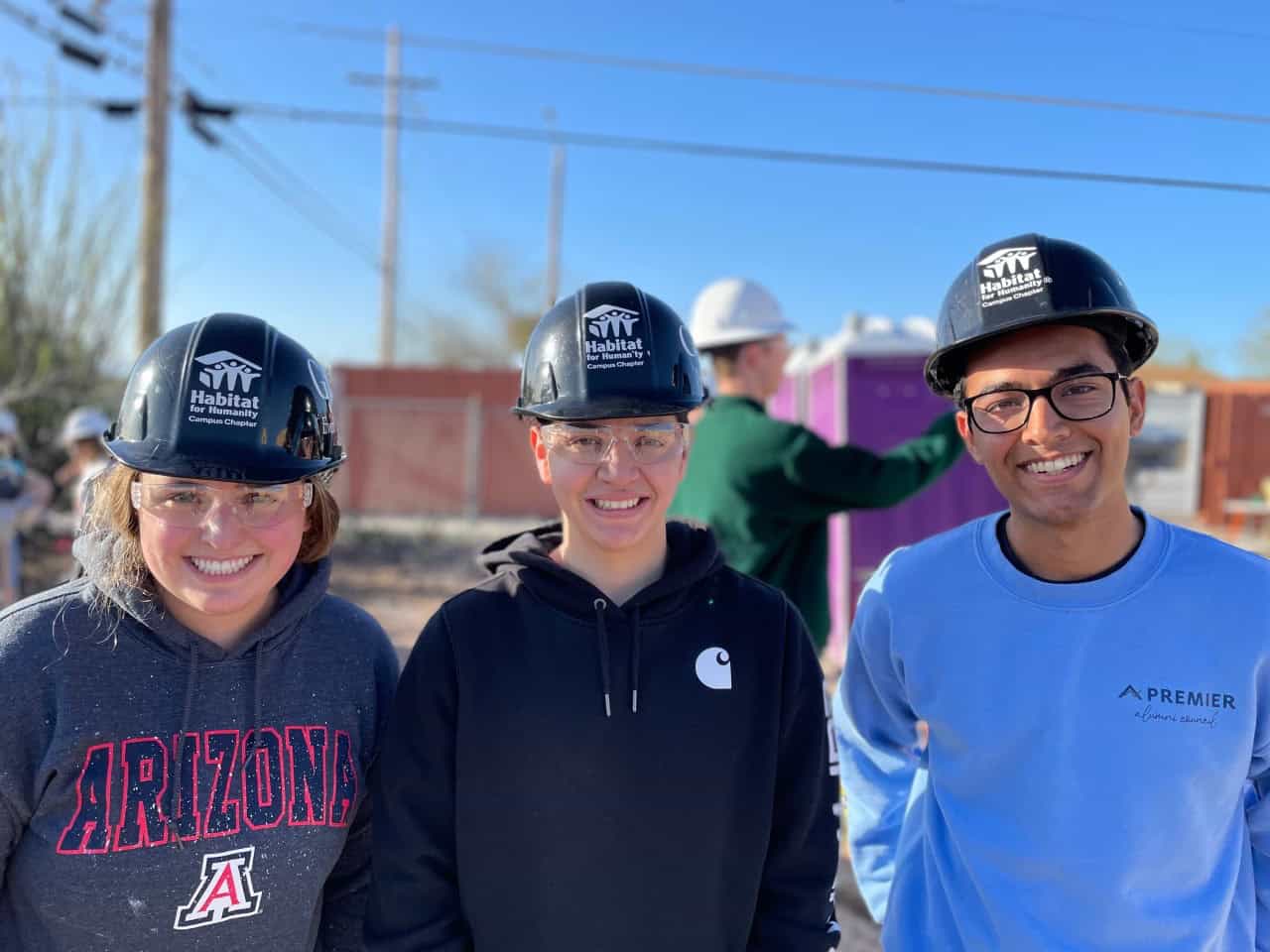
Hands-on volunteer roles at Habitat’s build sites and ReStores provide structure, immediate feedback, and visible results. For volunteers with ADHD, this tangible environment creates a sense of progress and belonging. Clear task lists, peer mentorship, and safety check-ins serve as natural accommodations that enhance focus and confidence.
Ben’s Bells Project 🎨
Ben’s Bells is known for its kindness studios and trauma-informed volunteer spaces. By offering creative, repetitive activities in a calm environment, it models how emotional safety and sensory awareness enable inclusion. Volunteers of all abilities find value and community through acts of compassion.
Literacy Connects ✍️
While traditional tutoring roles require sustained attention and predictability — which may be challenging for some volunteers with ADHD — leadership, advocacy, and project-based opportunities offer a better fit. Examples include coordinating book drives or assisting in community outreach campaigns. Matching role design to volunteer strengths builds success for everyone. The Literacy Connects volunteer program design offers flexibility for the neurodiverse.
✍️ Task-Based Position Descriptions
Inclusive design begins long before a volunteer arrives. Position descriptions should clearly outline essential tasks, time expectations, and work environments. This transparency allows volunteers to self-identify any concerns or request adjustments early — a cornerstone of informed choice and respect.
For neurodivergent volunteers, seeing tasks in advance can be the difference between thriving and feeling overwhelmed. This practice directly supports the “Recruit and Onboard a Volunteer Workforce” standard and aligns with ethical risk management best practices.
🌍 Universal Design for Volunteering
When VEPs apply a universal design mindset, inclusion becomes best practice rather than an exception. Visual schedules, written checklists, and flexible start times don’t only help people with ADHD — they help every volunteer feel informed, prepared, and respected. 💡
What benefits do neurodivergent individuals bring that enhance clarity and communication for all?
Explore SAVMA’s Volunteer Needs Inventory to see how “Informed,” “Included,” and “Supported” principles can translate into practical design choices.
🏛️ Inclusive Leadership and Governance
Many organizations still struggle to integrate neurodiversity at the board level. Long meetings, dense reading packets, and rigid parliamentary procedures can unintentionally exclude those with different processing styles. Yet leadership diversity is where actual systemic change begins.
Boards that practice inclusive governance — shorter meetings, visual agendas, co-chair models, and mentorship for new members — not only expand representation but also increase innovation. SAVMA encourages its members to advocate for policy shifts that open doors for neurodivergent leaders. 🌿
🧩 Practical Steps for Volunteer Engagement Professionals
Creating ADHD-friendly programs doesn’t require a budget overhaul — just intentional planning:
-
Communicate clearly. Provide written summaries after meetings and set reminder emails for tasks.
-
Use visual tools. Calendars, color codes, and flowcharts help volunteers track responsibilities.
-
Offer flexibility. Allow volunteers to choose shorter shifts or micro-projects when possible.
-
Model patience and curiosity. Normalize asking, “What would help you succeed in this role?”
-
Provide feedback frequently. Positive, specific encouragement improves retention and trust.
These approaches reflect SAVMA’s Individual Industry Standards of Practice on preparing, supervising, and supporting volunteers.
🤝 Empowering a Culture of Belonging
Inclusion is a practice, not a policy. When volunteers feel understood, they stay longer and contribute more deeply. Recognition should honor diverse journeys and abilities — not just hours served.
Neurodiversity strengthens teams through varied perspectives and creative problem-solving. By building systems that support these strengths, VEPs demonstrate the heart of service leadership: empowerment through understanding. 💙
For further reading, see CHADD and the Centers for Disease Control and Prevention for current research and resources on ADHD in adults.
🔮 Looking Ahead
SAVMA continues to champion inclusive volunteer engagement across Southern Arizona. This article is the first in a two-part series on ADHD and volunteerism. Stay tuned for Part Two: “Creating Accommodation Templates for Volunteers with ADHD,” which will include sample forms, conversation guides, and planning tools for VEPs. ✨